
Code-snitching (or, The Secret Connection Between Products and Politics)

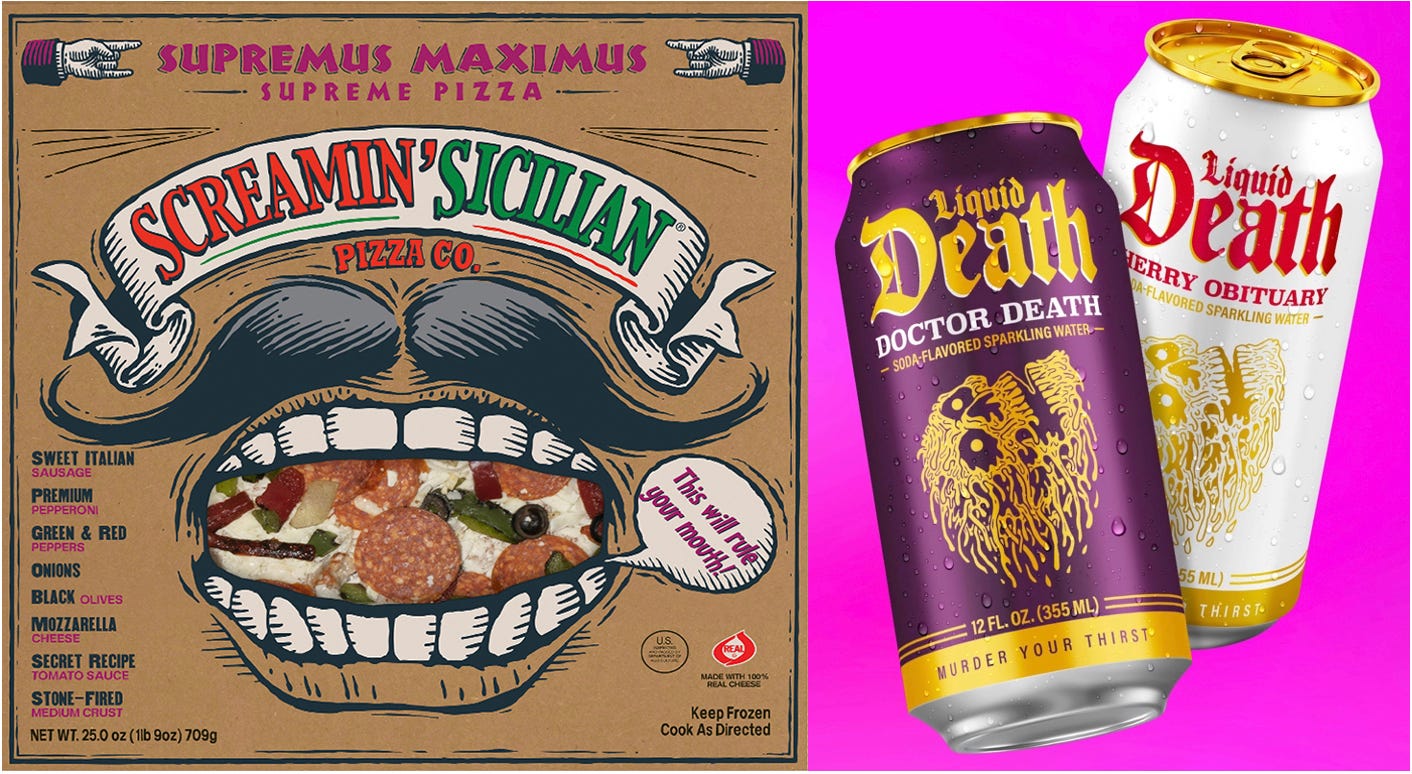
Distraction is the best focus for deciphering our world. I’m a professional semiotic analyst, a science of identifying and applying “codes” sent to us by our culture that covey certain messages and values. These can be commands from advertising copy, but more often are a “language” of sight and style. A chain-restaurant with old-timey wooden beams and a high-cholesterol menu tells you “vintage American attitudes and home-cooked food”; an electric car’s sleek lines and slitted lights evoke sci-fi set-design and tell you that you step into the future when you get in their car; glass towers in gentrified neighborhoods are monuments to their own affluence and a lure to all who want themselves associated with that. Packaging tells us if we are unconventional and spontaneous for buying it (punk/metal graphics like Liquid Death beverages, raucous names like “Screamin’ Sicilian Pizza”), or making a sober choice approved by the common community we want to be a part of (any beer-can that hasn’t changed in 50 years). It’s the periphery of our attention that influences us most subtly and profoundly, and we are shaped by what is literally all around us; everything in our environment is fair game for what might be affecting us. I joke that when I do this work that I’ve finally found a gainful use for attention deficit, going on tangents and making connections between things that are not typically adjacent. It’s more like attention-surplus I guess, but widening the lens to take in what might matter; as my colleague at the HiLobrow site Rob Walker might say, an art of noticing.
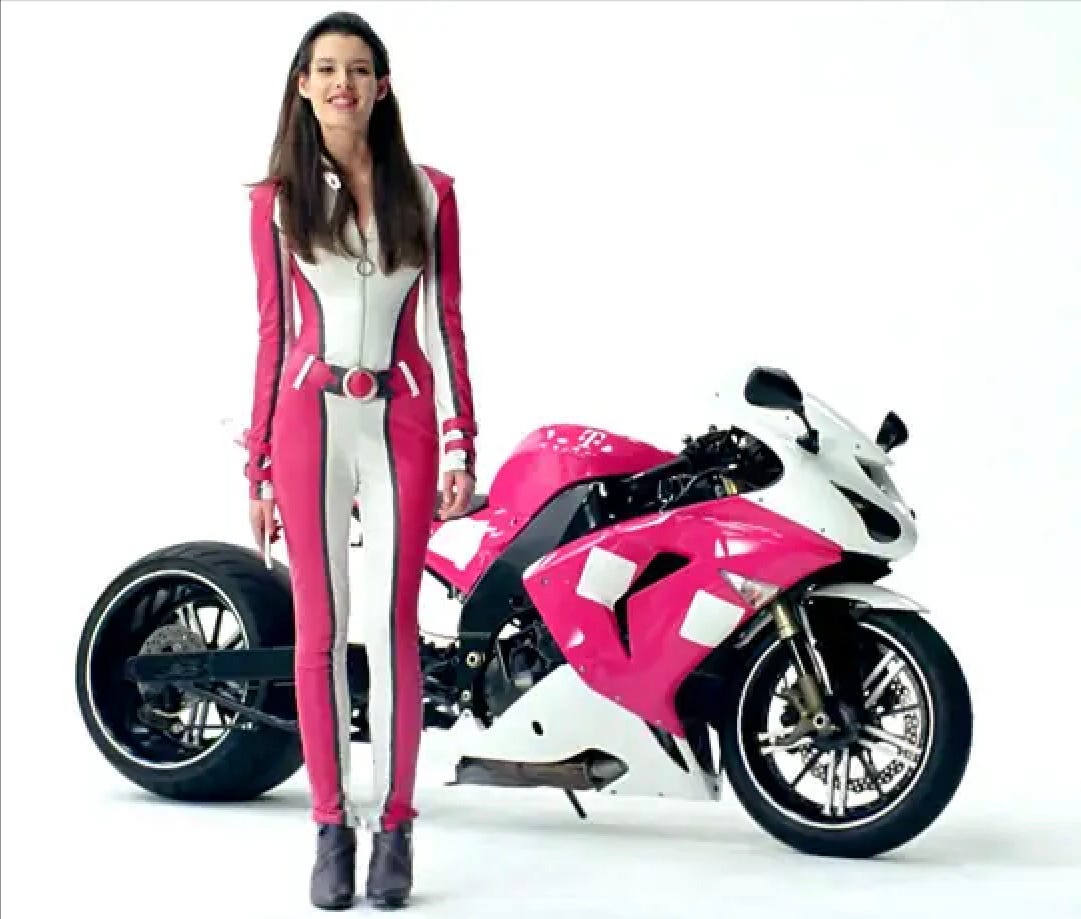
I think my first semiotics gig was for a cellular company — and I won’t violate any NDA since at this point I couldn’t member which company it was under truth-serum or hypnosis — that wanted to differentiate its speed from that of competitors. It’s all the same 5G air of course (a fact that much later one of those competitors actually made their campaign, focusing on their lower price instead). So I was assigned to write a free-associative, widely-sourced essay on the concept of “speed.” But I didn’t even think speed was the real issue. I made a cursory review of other cell companies’ advertising, but then I looked intensely at car and candy ads. One cell brand had an ad where a woman jumps on a motorcycle and zooms in a swoosh-trail of the brand’s pink accent color from like Maine to San Francisco in seconds. At the same time Twix had an add where you find yourself in an awkward social situation and bite into a Twix to stop time so you can think things out; Lincoln had a campaign where you get in one of their cars and go as slow as possible to take in the view. People were yearning not to cross distances or get things faster, but to savor the moment; the goal of looking up things on your phone was not to rapidly flip through information, it was to have an array of options and be sure of one choice — not a linear image of jumping from Point A to Point Z, but a radial concept of possible destinations in multiple directions, with you at the center. The ideal was to stand in one spot while the world comes to you, pouring into your little screen (i.e., finding out what restaurant has the best reviews on the way to your night out, or seeing what show has starred the actor you like in the movie you’re watching, or what the story is behind some tourist monument you’re visiting). So what this company wanted, I thought, was not the short distance but the wide moment.
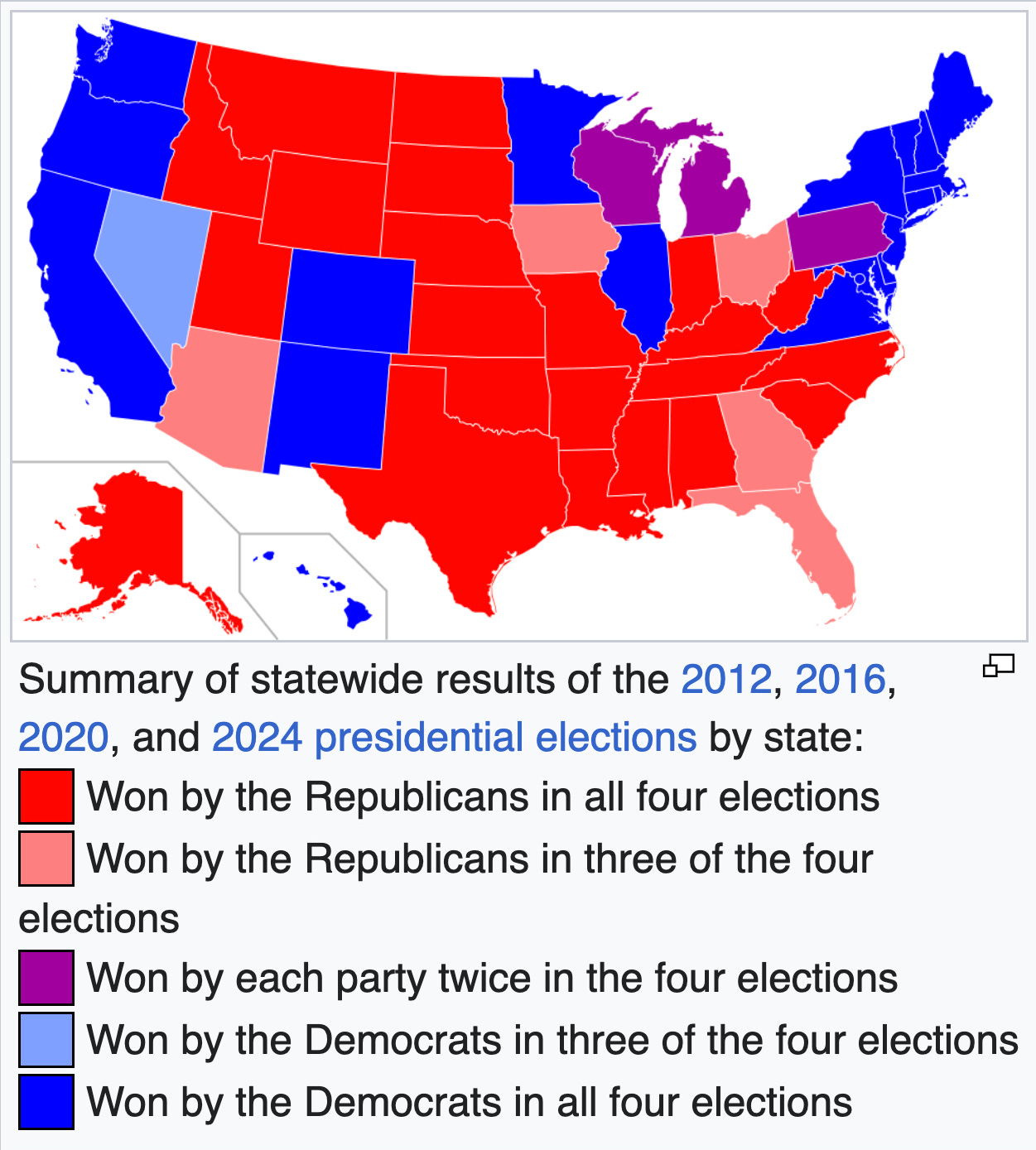
Some things form a straight line that isn’t trackable because we don’t see it continuously, like a submerged mountain range that looks like a group of islands. I’ve written about modern politicians’, especially Dems’, obsession with numbers and dependence on consultants and polls, rather than commitment to policy and determination to persuade real voters. Where did this start? I trace it to the day-trading craze of the 1990s. People became obsessed with the value of stocks, thinking they could become rich traders from their desktop. Once they realized that this had about as much real-world odds of success as any other gambling addiction, that fad died down, but the fixation on numbers remained; this was when people started talking all the time about a given movie’s gross, and online haters started declaring certain films dead before they opened, based on advance ticket sales. With this habit imbedded in our minds, it easily transferred to a subject that was more life-and-death, but one which most people also viewed as entertainment: political elections.
Polls get us euphorically complacent or irrationally stressed; politicians adapt their positions even when they win, based not on that win but on how many percentage points they won by (less than a landslide means their party’s lead is shrinking so they’d better tack toward the opposite party’s policies); coming full-circle to my day-trading theory, there’s a booming betting market on candidates’ odds. Semiotics is the study of less quantifiable vibes and subjective associations, but “human intelligence” has been taken almost entirely out of the political equation — and of course treating it as an equation is the problem (not for nothing do people accuse candidates and elected officials of “political calculation”). With a focus on tipping a handful of swing states just past 50% rather than running a national campaign, and a determination to boost turnout among people who agree with you rather than make a case to those who don’t, establishment-party figures (and their door-knocking, fundraising footsoldiers) think there’s no challenge that the country, and they, can’t math their way out of.
(Okay, I tipped my hand at the top of this section, it’s the Democrats I’m describing; the Republicans are obsessed with numbers too, but while Dems keep calculating how to win the game, GOPs are focused on changing the rules (throwing thousands of people off voter rolls, redrawing districts, “finding votes,” etc.). And even that is a game the Dems have now leaned into playing, with the fever now in both parties to gerrymander districts in favor of one or the other. Ironically, this shows that the GOPs are more afraid of the Dem platform’s popularity than the Dems themselves are convinced of its appeal, but that’s another rant.)
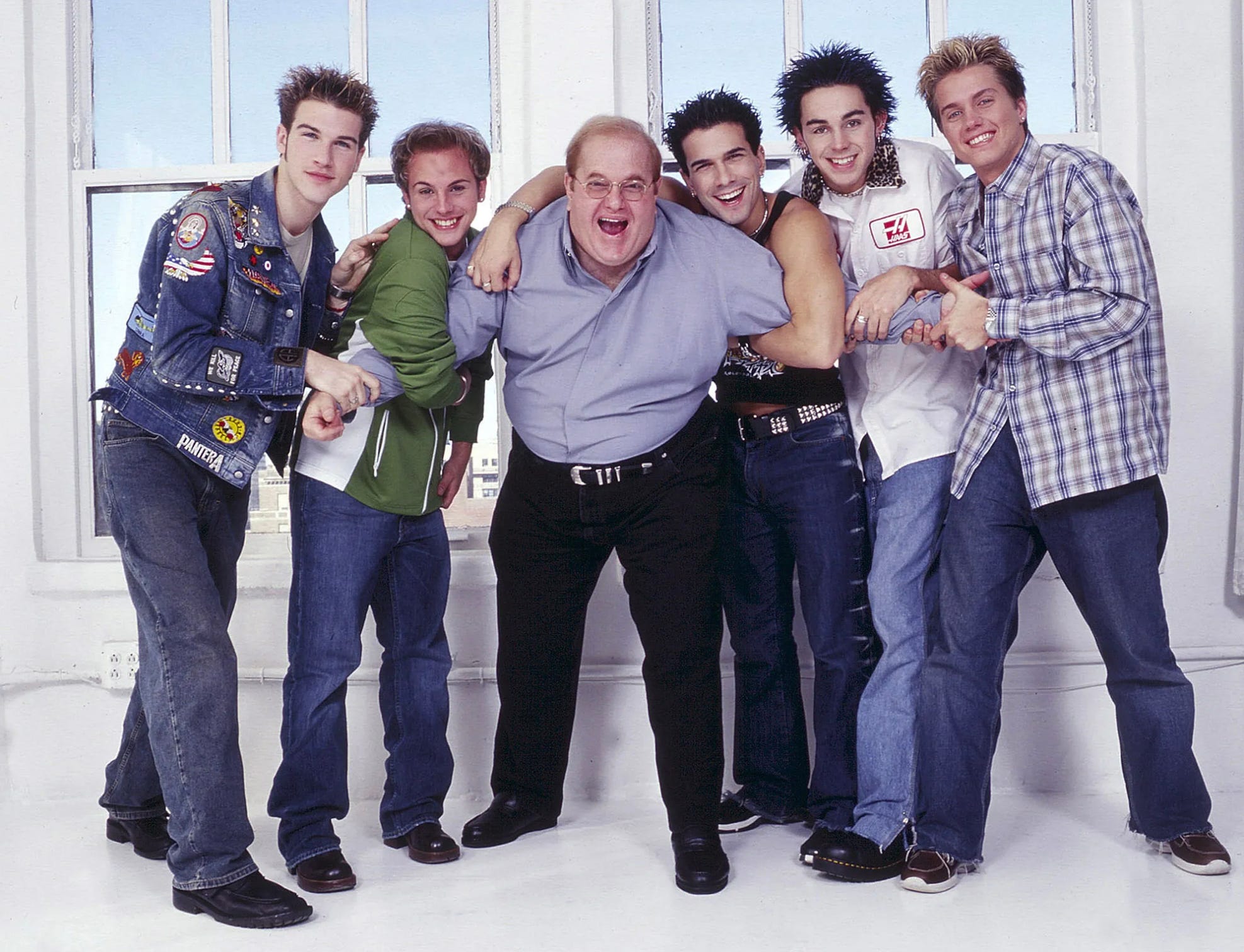
The current quality of candidates also has a sidelong source in pop culture and national pastimes. Voters who lament the kind of generic, positionless candidate that (mostly) the Dem leadership puts up have, in my view, the Backstreet Boys and Britney Speares to thank for it. Or rather, the leadership who put them in front of the public.
The music business has always been just that, with the greatest artists’ voices enduring in spite of it, and there have always been bands wholly created by marketers (Monkees, Milli Vanilli). But the 1990s saw the lab-grown artist become the basic model of the music business (not for nothing do people now call some acts an “industry plant”). The stable of young players on the Disney Channel and in training mills like that depicted on the reality show Making the Band (detailing the manufacture of the boyband “O-Town”) were like America’s equivalent of Soviet ballet dancers groomed from childhood. The conversion of youth-pop from a rebellious DIY impulse to a franchised dayjob gave rise to the strange phenomenon of driven mediocrity. Artists were playing a popstar as much as anyone in the cast of a Broadway jukebox musical; they were designed to be replaceable even if some briefly became iconic stars. This caused a pressure to scale the mountain of fame as intense as a previous generation’s contest to climb the corporate ladder — and just as un-fun, on the evidence of what toll it’s taken on some of their psyches and health.
This drive to be famous yet have not much identity is what has conditioned society for the personality-free but relentlessly ambitious candidates cranked out by rich donors who want to keep their status quo, and approved by the party leadership they already keep in power. As with the dream of making music, the ideal of making a political difference went from personal inspiration to institutional obligation.
Charisma defines an individual and distinguishes them from the system that created them. When a party says they need a candidate who cuts right down the middle of the road, answers no questions directly, recites their resume (usually having been a veteran or a parent) in place of any policy position, draws their votes from the suburbs, and declares themself a “centrist” or “moderate” who inspires…equal unenthusiasm on the left and right, but has the blessing of party bosses who want a “model” candidate (rather than a maverick natural leader), you are seeing a system invested (literally) in making sure charisma doesn’t happen.
Ironically this formula, entirely designed for winning above all else, is starting to not work. When it’s out of the bosses’ hands (as with New York City’s ranked-choice voting system and my native New Jersey’s mostly successful rebellion against the “party line” that let political machines control who ended up on a ballot and where they were listed), voters are choosing Dems with more of the ideological zeal, iconoclastic spirit and personal stage-presence that the Republicans have mostly based their selections on for the past 10 years. (The civic “consumer” wants stimulating disruption, not political comfort-food.) This is starting to happen, while masses of money, as well as propaganda and pressure from their own side as well as their opponents, try to stop it. In the meantime, we see mediocre politicians seek the next rung as soon as they’ve climbed to their current one (Congress members with their eye on a Governorship, Governors planning a presidential run). And when we see this person of just-adequate skills and narrow imagination be so certain that they are meant to rise to the world’s highest office, we’re seeing that those who “made the bands” sent out ripples through, and set a standard for, our society way beyond what they dreamed to control.
Thanks for reading and welcome to my thought process — it’s not just all over the political map, so feel free to message here if there’s some cultural phenomenon, movie trend, soda-branding or other inconspicuous but ubiquitous feature of the media you watch or the streets you walk on that you might like to see decoded and discussed!